
The Construction Products Regulation (CPR): Kiwa and Vinçotte are in the final stages of becoming Notified Body
The Construction Products Regulation (CPR) reshapes how manufacturers demonstrate performance, sustainability, and compliance. With environmental transparency moving from “nice-to-have” to mandatory, the CPR revision impacts declarations, data collection, market access, and CE marking.
What the CPR is changing: A push for environmental impact data #
The CPR, adopted in 2024, enhances the EU's strategy under the European Green Deal by embedding environmental sustainability into construction product requirements. Manufacturers must now report environmental sustainability metrics as part of the combined Declaration of Performance and Conformity (DoPC).
Traditionally, the DoP focused on performance and safety. Under the updated CPR, it evolves into the DoPC, which must now include environmental sustainability data based on life‑cycle impacts.
First the global warming potential must be declared. In a second and third phase the core environmental impact indicators and the additional impact indicators will become mandatory. The projected timing is:
- 2026 — Mandatory reporting of Global Warming Potential (GWP)
- 2030 — Mandatory reporting of core environmental indicators
- 2032 — Mandatory reporting of additional indicators
But this timing also depends on the availability of harmonised standards per product category. The EU Commission has published a communication with the projected timings of these harmonised standards.
The Role of Kiwa GmbH and Vinçotte as Notified Body for CPR #
Under the updated Assessment and Verification System (AVS), a new System 3+ has been introduced in the CPR—making verification of the reported impacts mandatory and requiring:
- Initial inspection of manufacturing plants
- Validation and verification of company‑specific environmental data
Kiwa GmbH, as part of the Kiwa group of over 20 Notified Bodies, is already active as an EPD verification body and is in the final stages of extending this to become notified body for the CPR. For manufacturers, working with a Notified Body such as Kiwa GmbH ensures credible and market‑accepted verification for CE marking under the new CPR.
With its strong position in the Belgian market as an EPD-verifier Vinçotte - a Kiwa Company, will leverage on the Notified Body status of Kiwa GMBH and will have its verifiers qualified under Kiwa’s accreditation. This will assure that Vinçotte can continue to serve its clients in the construction product sector.
Digital Product Passport (DPP) #
The revised CPR introduces—for the first time—a mandatory Digital Product Passport (DPP) for construction products placed on the EU market. The exact obligations become enforceable once supporting harmonised standards and delegated acts are adopted.
The DPP will store:
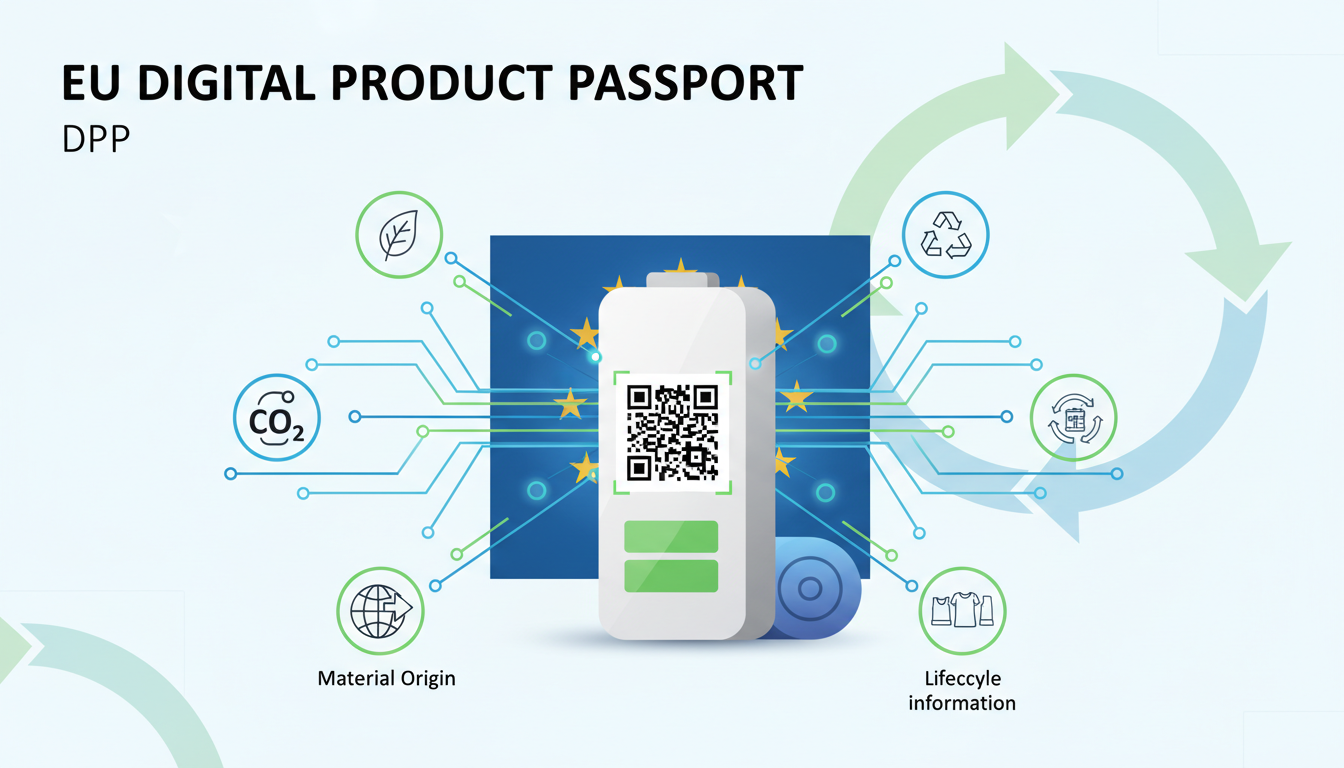
- Product identification
- Material and component information
- Environmental impacts
- Information on performance
- Safety information
- Life cycle information
- ...
Vinçotte is following up on the standardisation work and will offer a DPP solution to its clients that is conform to the upcoming standards.
Would you like to know more?